
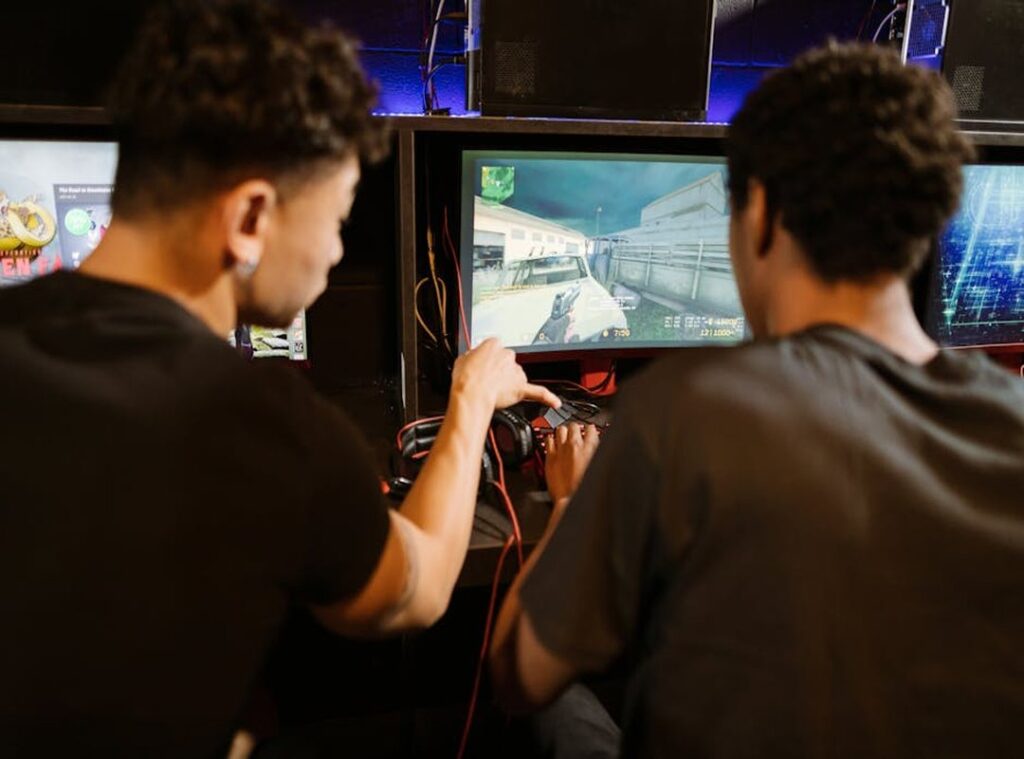
I remember my first match in Valorant for Beginners Vrstgameplay.
I died seven times in under two minutes.
You’re not behind. You’re not broken. You’re just new.
This guide isn’t theory. It’s what I wish someone had told me before I wasted hours guessing how to buy weapons or why my Jett kept floating off cliffs.
We’ll cover the real basics (the) ones that matter right now. Not every agent’s full kit. Not competitive meta deep dives.
Just enough to walk into your first match and do something instead of standing still, waiting to get shot.
What’s a spike? Why does buying matter? Which agents won’t punish you for missing shots?
I’ll tell you straight. No fluff. No jargon.
No “welcome to the exciting world” nonsense.
You’ll learn how to move, shoot, plant, and win rounds (not) someday. In your next match.
That’s the promise. No hype. Just clarity.
Start here.
What Valorant Actually Is (No Jargon)
Valorant is a 5v5 tactical shooter.
You pick a side: Attacker or Defender.
Attackers try to plant the Spike.
Defenders try to stop them. Or defuse it if it goes down.
It’s round-based. Win a round, you get cash. Lose?
You get less. Then you buy guns and abilities before the next round.
It’s not just aim like CS:GO. Though yes, aim matters. It’s also not just abilities like Overwatch.
Though yes, you flash, smoke, and teleport. It’s both. At once.
Which means you can’t just hide behind a wall and spam ults.
You ever miss a headshot and blame your agent? I have. (It was my fault.)
The map matters more than your favorite skin.
Positioning beats panic-firing every time.
Want to actually learn how it feels to play?
Check out Valorant for Beginners Vrstgameplay. No fluff, just real moments.
Some rounds last 100 seconds. Some last 9. You’ll sweat either way.
Pick Your First Agent Like You’re Picking a Tool
Agents are characters. Not classes. Not roles you get assigned.
They’re people with names, voices, and abilities you use.
I played Phoenix first. He revives himself. He throws fire.
He doesn’t need anyone else to make things happen. That’s why he’s good for Valorant for Beginners Vrstgameplay.
Sage is another starter. She heals. She walls.
She slows enemies. She holds space without needing fancy aim.
Duelists like Phoenix deal damage and push sites. Controllers like Brimstone drop smokes and shut down vision. Initiators like Sova shoot recon darts and stun enemies.
Sentinels like Sage or Killjoy lock down flanks and stop rushes.
You don’t need to memorize all of them today.
Try one agent in the practice range for ten minutes. Then switch. See what feels natural.
Does throwing a smoke stress you out? Skip it for now. Can you land a flash?
Great (keep) going.
Phoenix doesn’t require teammates to work. Sage doesn’t punish you for missing shots. That matters more than “meta” or “tier lists.”
You’ll learn roles by doing. Not reading. Not watching 47-minute guides.
Just play. Die. Try again.
What’s the last game where you felt in control, even for five seconds?
That’s your sign to stick with that agent a little longer.
Gunplay Is Everything
I shot badly for weeks. Then I stopped spamming abilities and focused on hitting people.
Headshots kill faster. Always aim for the head. Even with a pistol.
You earn credits by winning rounds or killing enemies. You spend them on weapons and armor.
Pistol Round? Buy a Sheriff or Ghost. Eco Round?
Skip guns (save) for next round. Buy Round? Get a Vandal or Phantom.
(Yes, those cost more.)
Vandal and Phantom are rifles. Spectre is an SMG. Good up close.
Ghost is your starter pistol.
Tap fire at long range. One shot. Pause.
Shoot again.
Burst fire at medium range. Two or three shots. Stop before recoil kicks.
Pull down while spraying. Every gun kicks upward. Fight it.
The practice range is not optional. Go there daily. Watch your spray pattern.
Learn where bullets go.
You think you know recoil control. You don’t. Not yet.
Why do so many players ignore the range? It’s boring. But boring builds muscle memory.
You’re not bad at Valorant. You’re just unpracticed at shooting.
Want to fix that fast? Start with the basics. Not flashy plays.
If you’re new, check out our Gameplay for Beginners Vrstgameplay guide.
It covers exactly what you need. No fluff. Just what works.
You’ll die less. You’ll win more. You’ll feel better about your crosshair.
Map Smarts > Gun Skill
I learned this the hard way.
You can aim like a robot and still lose if you walk into B site blind.
Know the map. Not just where the spikes go. But where enemies always peek.
A short. B main. Heaven.
These aren’t names. They’re danger zones. (And yes, “Heaven” is stupid.
But it’s what we call it.)
Check your minimap. Every five seconds. Not every round. Every five seconds.
You’ll see teammates moving.
You’ll see pings. You’ll notice when someone’s missing. And that’s usually right before they die.
Say what you see. Not “enemy spotted.” Say “one A short.”
Say what you’re doing. Not “I’m throwing.” Say “smoking B main.”
Ask for help.
Just “need rot?” works. No drama. No fluff.
Ping everything. Smoke. Spike.
Enemy. Flash. It’s not cheating.
It’s talking without voice chat. (Which, let’s be real (you’re) probably muted anyway.)
This is the core of Valorant for Beginners Vrstgameplay. Not headshots. Not clutches.
Knowing where you are (and) where everyone else is.
You think you know your map? Try playing one round with your minimap open the whole time. Go on.
I’ll wait.
First Games Should Feel Good
I played my first Valorant match and died 12 times in under two minutes. It sucked. But it was fine.
You won’t be good right away.
That’s not a flaw (it’s) how learning works.
Pick one agent. Maybe two. Stick with them for five games.
Same with weapons. Try the Vandal or Phantom. Skip the Operator until you can aim without panicking.
Playing with friends helps. Voice chat fixes more mistakes than any tutorial. No friends?
Jump into a party anyway. Someone’s always willing to explain spike planting.
Stay calm when you lose a round. Ask yourself: Did I peek too early? Did I forget to buy armor?
Then do it again.
It’s just a game. Not your job. Not your identity.
If you’re grinding rage instead of laughs, stop and breathe.
Want better control? A solid surface matters. Check out Which gaming mouse pad to chooose vrstgameplay.
It’s not magic, but it helps.
Valorant for Beginners Vrstgameplay starts here. Not with perfect aim. With showing up.
Your First Match Awaits
I remember my first Valorant match.
Felt like running blindfolded into a gunfight.
You’re past that now. You know agents. You understand gunplay.
You get why teamwork isn’t optional.
That confusion? Gone. The frustration of dying without knowing why?
Fixed.
This is why Valorant for Beginners Vrstgameplay exists (not) to overwhelm you, but to keep you in the fight.
So stop reading. Open Valorant. Pick an agent you like.
Jump in.
No more waiting for “perfect” timing. There is no perfect time. Just your next round.
Go play.
Now.
 Bringing a fiery passion and analytical precision to the team, wyatt1997 serves as the backbone of competitive coverage at Jexpgames.com. With years of experience tracking meta shifts, breakdown mechanics, and tournament narratives, wyatt1997 dissects high-stakes esports with a sharp, calculated focus. His deep dives and strategic breakdowns provide both casual viewers and aspiring pros with the critical insights needed to understand the highest levels of competitive play.