

Creating games that truly connect with players is tough. The competition is fierce and everyone’s vying for attention. So, how do you craft an experience that keeps players coming back?
This article dives into actionable takeaways and strategies for mastering gamer experience in game development. You’ll learn to move beyond basic mechanics and create memorable experiences that stick.
I base this on a solid understanding of industry trends, player psychology, and proven design principles. These aren’t just theories; they come from analyzing what works in successful games and how they engage players.
You’ll see how to raise your game design to focus on the player’s journey game design, ensuring your title stands out in a crowded market.
By the end, you’ll have the tools needed to design exceptional experiences that players will love. Let’s get started.
Unpacking Gamer Experience: More Than Just Fun
What makes a game truly compelling? It’s not just about the visuals or storylines. The real magic lies in the gamer experience.
The emotional, cognitive, and sensory thrill we chase. It’s the subtle art of balancing immersion, challenge, and agency. Want to feel like you’re in another world?
That’s immersion. Craving a game that pushes your brain to its limits? There’s challenge for you.
But wait, it’s not just about feeling smart. It’s about being in control. Agency lets you steer the ship, make decisions that matter.
And don’t forget the social connection. Humans love to connect, even if it’s through pixels and avatars. Ever bonded with a stranger over a shared victory?
That’s the secret sauce.
Let’s talk about progression. Who doesn’t love seeing growth? It’s addictive.
Games like “Dark Souls” excel here. Every victory feels earned, every loss a lesson. Speaking of art, Role Art Style Game Design plays a huge part in this player’s journey game design.
Art guides emotion; it sets the vibe.
Why focus on gamer experience? Simple. It’s key for retention and monetization.
Without it, games fade into oblivion. So, which game world are you jumping into next?
Crafting Immersion: The Secret Sauce of Game Design
Ever been so wrapped up in a game that time just slips away? That’s the flow state. It’s when you’re so immersed you forget everything else.
To get players there, developers need to balance difficulty, set clear goals, and provide immediate feedback. It’s like tuning a guitar (everything) has to be just right.
Narrative and world-building are equally key. If the story doesn’t draw you in, why bother? A well-crafted world makes the player care, creating emotional connections.
Without it, a game feels hollow. Think of the most gripping book you’ve read. It’s the same idea.
Intuitive controls are a must. Clunky gameplay kills immersion faster than a bad plot twist. Controls should feel natural, not like you’re wrestling with a stubborn mule.
Responsive gameplay enhances player agency and cuts down on frustration.
Social Interaction: A Game Changer
Multiplayer elements and community features add another layer of enjoyment. Ever shared a victory in a game? It’s a thrill.
Shared experiences build a sense of camaraderie you can’t replicate offline.
Pro tip: Start integrating these pillars early in development. It’s easier to tweak mechanics than to overhaul them later. The player’s journey in game design is a complex path, but nailing these elements makes it rewarding.
So, are you ready to create something unforgettable?
Listening to Gamers: Feedback in Game Design
Game development isn’t a one-and-done deal. It’s an evolving process. You can’t just create a game and hope players will love it forever.
You need constant feedback to refine the experience. the real magic happens.
Listening to players isn’t just a nice-to-have. It’s a competitive advantage. How do we gather this feedback?
User testing is a goldmine (yes, letting people play your game before it’s finished). Surveys and analytics can tell you what players do, but community forums reveal what they think. It’s about understanding the player’s journey game design.
Now, let’s talk analysis. Not all feedback is equal. Some players just want their favorite color in the game.
Others point out game-breaking flaws. You have to distinguish between subjective preferences and key issues. Pro tip: Focus on feedback that impacts the core experience first.
Prioritizing changes is key. High-impact improvements always come first. It’s not about making everyone happy.
It’s about enhancing the overall experience.
Want to dive deeper? Check out the player’s journey: designing over time. It’s a great read if you’re serious about integrating feedback effectively.
In the end, the developers who thrive are those who listen and adapt. They don’t just play the game; they play the development game, too. Are you ready to listen to your players?
Game Design Mastery: Crafting the Perfect Experience
When it comes to player’s journey game design, I can’t stress enough the importance of UI/UX principles. Clarity and consistency? Non-negotiable.
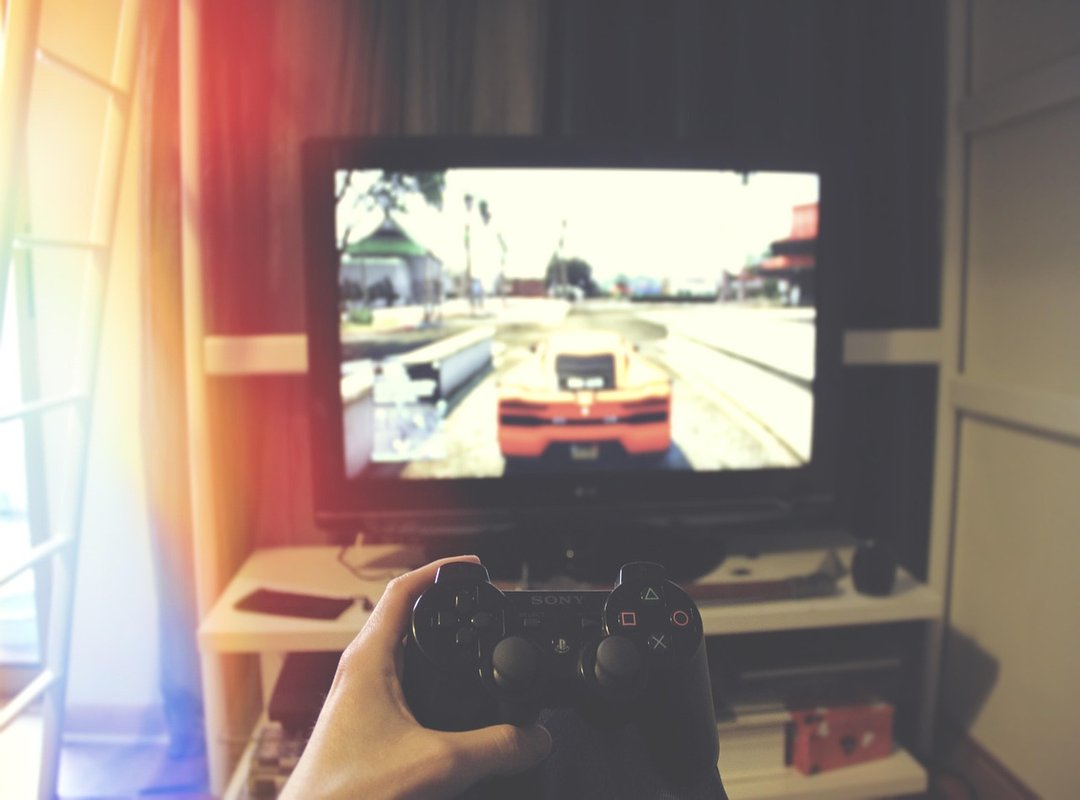
They guide players smoothly through the game. Feedback and accessibility make sure players aren’t just stumbling in the dark. Without these, even the greatest game mechanics can fall flat.
Sound design and visual fidelity are the unsung heroes of immersion. Ever notice how a game’s sound can make or break the experience? It’s true.
These elements convey key information, like when danger’s lurking around the corner.
I believe performance optimization is key. Smooth framerates and quick load times aren’t just nice-to-haves; they’re deal breakers. No one wants to play a game that lags every five seconds.
You get it, right?
Now, let’s talk tutorials. They need to be spot-on. Introduce mechanics without overwhelming players.
Make the early stages enjoyable, not a chore.
I’ve seen pros use various tools for UX research and prototyping. Techniques like wireframing and A/B testing are staples in the industry. They help refine ideas before a single line of code is written.
For those into deeper game mechanics, balancing challenge reward systems is a must-read. It’s all about finding that sweet spot between challenging and rewarding.
In the end, it’s about crafting an experience that feels smooth and engaging. That’s what keeps players coming back.
Beyond Today: Gamer Experiences Evolving
AI is shaking up gaming big time. Changing content generation? It’s making games feel alive.
And don’t get me started on personalized gameplay (it’s like the game knows you). Adaptive NPCs now act more human, keeping us on our toes. You notice how many games have customizable controls? Accessibility features like these are opening doors for everyone to play.
More folks equals more fun, right?
Then there’s cross-platform play. Imagine gaming without switching devices. That’s a game-changer.
Virtual and augmented reality are next-level immersive. Still skeptical? Just wait till you’re dodging dragons in your living room.
Staying ahead of these trends isn’t just smart. It’s key for anyone in game development. We’re shaping the player’s journey game design, after all.
Miss the wave, and you might just miss the game!
Raise Your Game Now
Understanding player’s journey game design is key. The gaming market is crowded. You need to stand out and keep players engaged.
The strategies I’ve shared focus on prioritizing the player, not just the game. This leads to deeper connections and loyalty.
So what’s next? Don’t just read and forget. Apply these takeaways today.
Dive deeper into game design and player engagement. Connect with resources that can help you grow. Remember, the right approach can transform your game.
Are you ready to raise your game? Start now and watch your player experience soar.
 At the heart of Jexpgames.com is its founder, Xlythra Fern, a dedicated visionary driven by a lifelong passion for the digital frontier. With a sharp eye for emerging industry shifts and an innate understanding of gaming culture, Xlythra has transformed a personal love for interactive entertainment into a premier hub for enthusiasts and professionals alike. By blending cutting-edge trends with deep analytical insights, they ensure the platform doesn't just cover the current landscape, but actively helps shape the future of the gaming conversation.